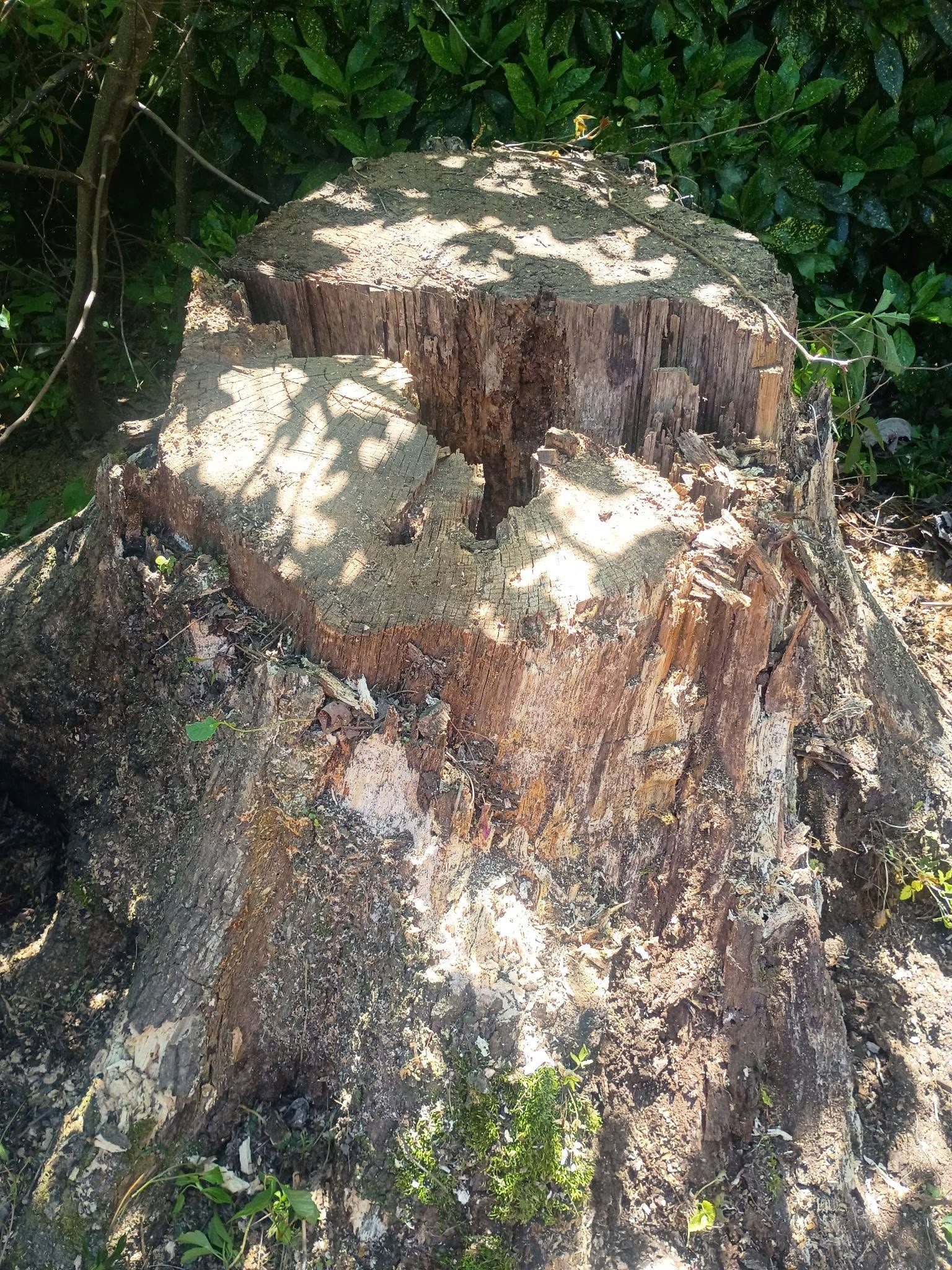
Should I Grind the Stump After Tree Removal?
Yes, stump grinding is often a good option after tree removal, but it is not required in every situation. Once a tree has been removed, the remaining stump can be left in place, allowed to decay naturally, or professionally ground below ground level.
For homeowners who want to use the area for grass, landscaping, or another purpose, stump grinding is usually a practical way to clear the remaining visible wood. Professional stump grinding can remove the stump and larger lateral roots several inches below the soil surface.
Why Grind a Stump After Tree Removal?
When a tree is removed, the stump and some of the root system normally remain underground. Leaving the stump in place may not cause an immediate problem, but it can become an obstacle as the wood begins to decay.
Grinding the stump can be worthwhile if you want to:
- Improve the appearance of your yard
- Remove a potential tripping hazard
- Make mowing easier
- Create space for landscaping
- Prepare the area for grass
- Prevent the stump from interfering with future projects
- Reduce the amount of decaying wood left above ground
Old stumps and their roots can also become hosts for pests, fungi, and other organisms as they decay.
Do I Have to Grind the Stump Immediately?
No. You do not necessarily have to grind the stump immediately after the tree is removed.
Some homeowners choose to schedule stump grinding separately, while others have it completed as part of the tree-removal project. The best timing depends on how you plan to use the area and whether the stump creates a safety, landscaping, or maintenance concern.
If you already know that you want the stump gone, having it addressed during the tree-removal project can be a convenient option.
What Happens During Stump Grinding?
A professional stump grinder uses specialized equipment to reduce the remaining stump into wood chips below ground level. The depth depends on the equipment, stump size, site conditions, and what you plan to do with the area afterward.
Iowa State University Extension notes that professional stump grinding commonly removes the stump and larger lateral roots to approximately 8 to 12 inches below ground.
The process is different from completely excavating the stump and its entire root system. Stump grinding focuses on removing the main visible stump and larger connected roots while leaving smaller roots underground to decay naturally.
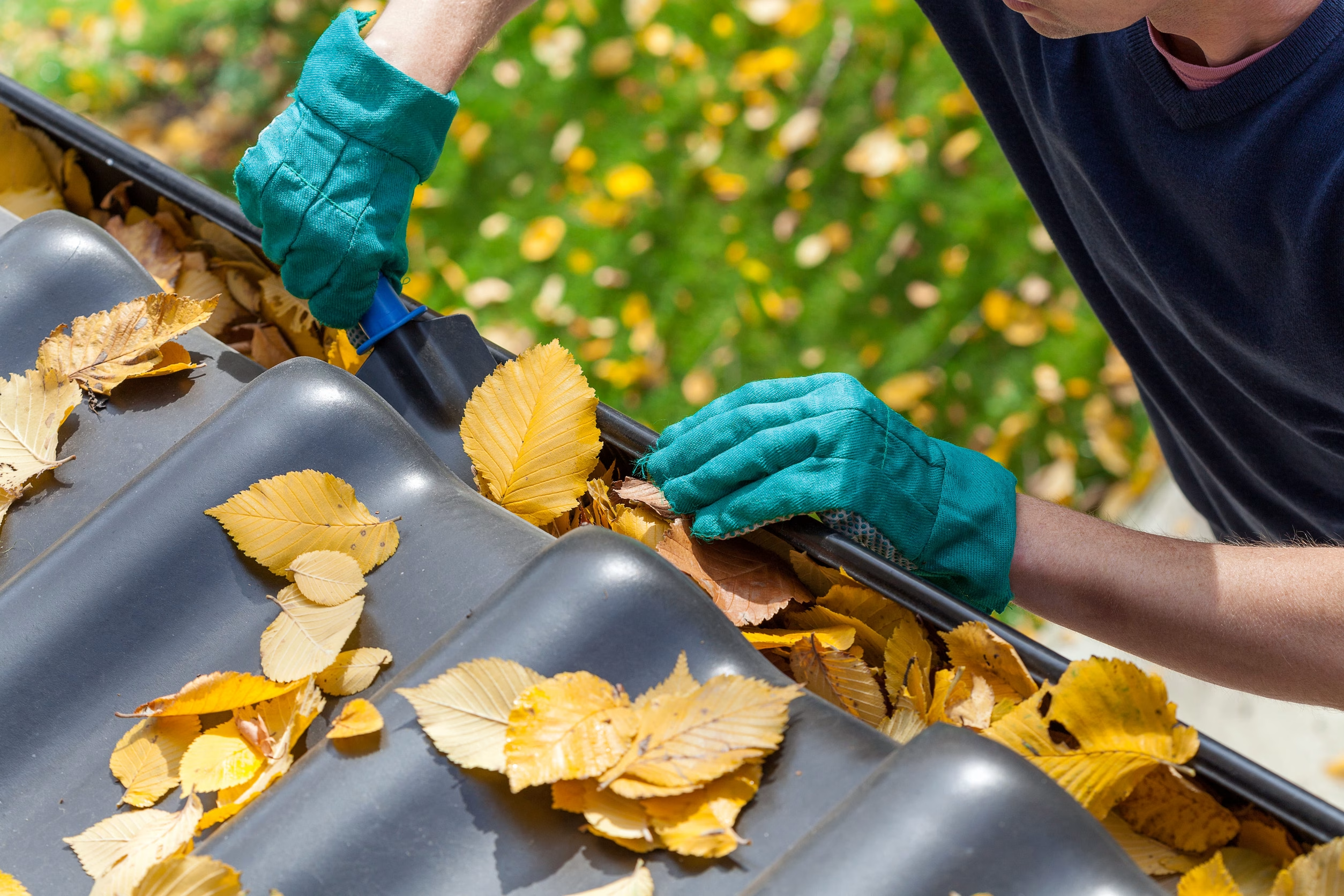
Do Homes With Lots of Trees Need More Frequent Cleaning?
Yes. Properties surrounded by mature trees may need gutter cleaning more frequently than homes with few trees nearby.
Pine trees can drop needles throughout the year, while deciduous trees can contribute large amounts of leaves during the fall. Storms can also place additional branches and debris into gutters.
If your gutters repeatedly become clogged between scheduled cleanings, a more frequent maintenance schedule may be appropriate.
Signs Your Gutters Need Cleaning
You do not always have to wait for your next scheduled cleaning. Watch for signs that your gutters may already be clogged.
Water Overflowing During Rain
If rainwater spills over the sides of your gutters, debris may be blocking the normal flow.
Sagging Gutters
Heavy debris and standing water can place additional weight on gutter sections and may contribute to sagging.
Plants Growing in the Gutters
Seeds and organic debris can collect in gutters and create conditions where weeds or small plants begin growing.
Blocked Downspouts
A gutter can appear relatively clear while the downspout is blocked. A clogged downspout can prevent water from leaving the gutter system properly.
Water Near the Foundation
If rainwater is not being directed away from your home, you may notice excessive moisture or pooling around the foundation.
What Happens If Gutters Are Not Cleaned?
Neglected gutters can allow rainwater to overflow and reach areas that should remain protected. This can contribute to problems involving the roof edge, siding, landscaping, and foundation.
B&G Tree Services and Pressure Washing specifically recommends regular gutter maintenance to help keep water flowing properly and reduce the risk of unnecessary water damage.
Cleaning gutters regularly is generally easier than waiting until they become heavily clogged and difficult to maintain.
When Is the Best Time to Clean Gutters in North Carolina?
Spring and fall are generally the most useful times to schedule gutter cleaning.
Fall cleaning is particularly important after nearby trees have dropped their leaves. Spring cleaning can remove accumulated debris and prepare the drainage system for the wetter months ahead.
However, properties with heavy tree coverage may benefit from additional inspections between these seasonal cleanings.
Do Gutter Guards Eliminate the Need for Cleaning?
No. Gutter guards can reduce the amount of debris entering a gutter system, but they do not necessarily eliminate maintenance.
Leaves, pine needles, pollen, small debris, and roof particles can still accumulate on or around gutter guards. Downspouts can also develop blockages.
The condition of the entire gutter system should be checked periodically even when guards are installed.
Professional Gutter Cleaning in Thomasville, NC
If your gutters are overflowing, clogged, or filled with leaves and debris, professional cleaning can help restore proper water flow.
B&G Tree Services and Pressure Washing provides gutter cleaning for residential and commercial properties in Thomasville, High Point, Greensboro, Winston-Salem, Lexington, Asheboro, Salisbury, and surrounding North Carolina communities.
Whether your gutters need routine seasonal maintenance or have become heavily clogged, having them professionally cleaned can help keep your property’s drainage system working properly.
Frequently Asked Questions
How many times a year should gutters be cleaned in North Carolina?
Most homes should have their gutters cleaned at least twice a year, generally in spring and fall. Properties with heavy tree coverage may require more frequent service.
Should I clean my gutters in the spring?
Yes. Spring cleaning can remove accumulated debris and prepare the gutters for upcoming rainfall.
Should gutters be cleaned after the leaves fall?
Yes. Fall cleaning after major leaf drop can help prevent leaves and other debris from blocking gutters and downspouts.
Can clogged gutters damage my house?
Yes. Overflowing water from clogged gutters can contribute to water-related problems around the roof, siding, landscaping, and foundation.
How do I know if my gutters need cleaning?
Overflowing water, visible debris, sagging sections, blocked downspouts, plants growing in the gutters, and water pooling near the foundation can all indicate that your gutters need attention.
Keep Your Gutters Clear in Thomasville, NC
Regular gutter cleaning is an important part of exterior property maintenance in North Carolina. For most homes, scheduling service twice a year is a good starting point, while properties surrounded by trees may need additional cleanings.
B&G Tree Services and Pressure Washing provides professional gutter cleaning in Thomasville and surrounding communities. Contact the team to discuss your gutter maintenance needs and request a free estimate.