Should I Grind the Stump After Tree Removal?
Yes, stump grinding is often a good option after tree removal, but it is not required in every situation. Once a tree has been removed, the remaining stump can be left in place, allowed to decay naturally, or professionally ground below ground level.
For homeowners who want to use the area for grass, landscaping, or another purpose, stump grinding is usually a practical way to clear the remaining visible wood. Professional stump grinding can remove the stump and larger lateral roots several inches below the soil surface.
Why Grind a Stump After Tree Removal?
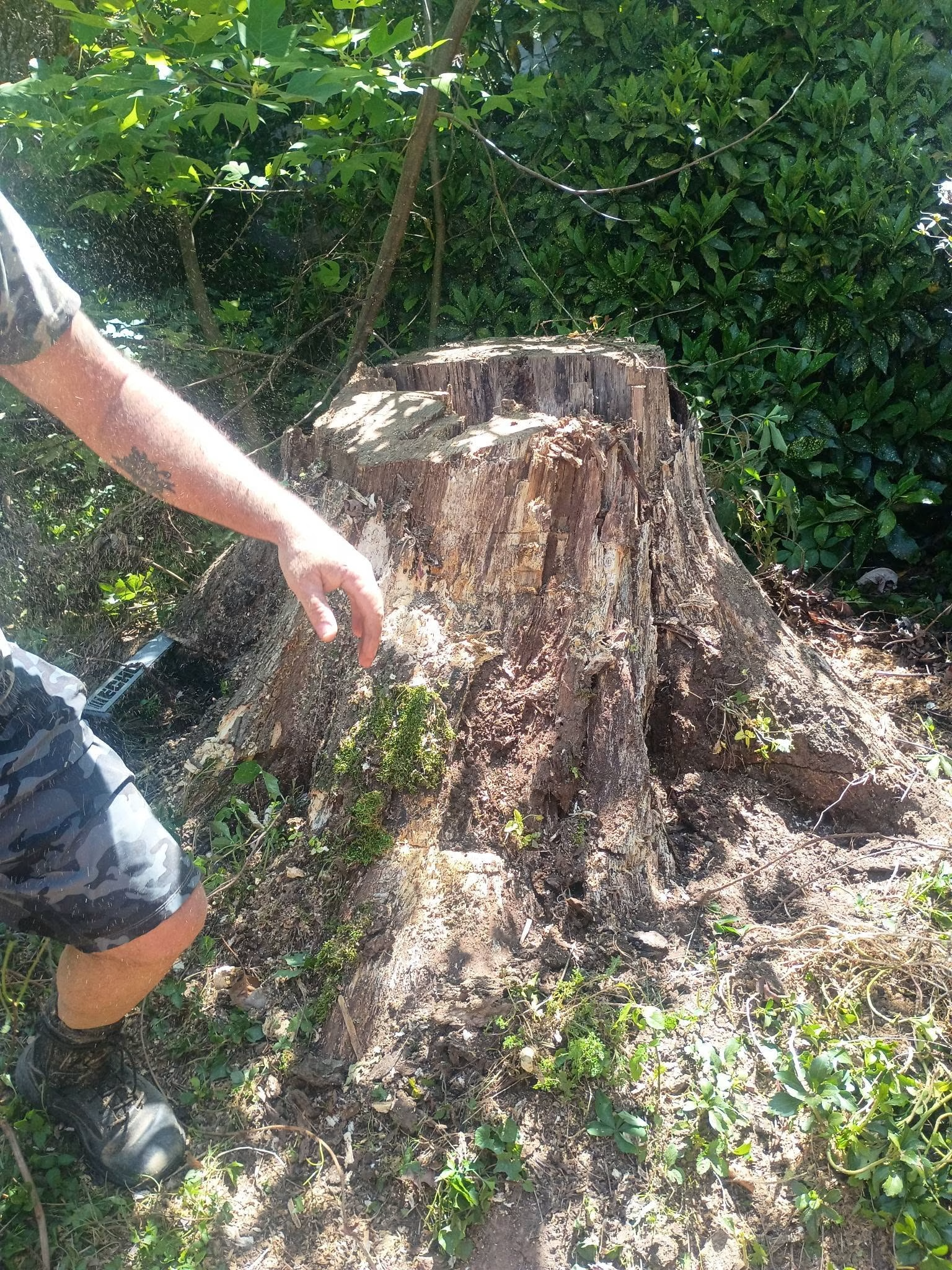
When a tree is removed, the stump and some of the root system normally remain underground. Leaving the stump in place may not cause an immediate problem, but it can become an obstacle as the wood begins to decay.
Grinding the stump can be worthwhile if you want to:
- Improve the appearance of your yard
- Remove a potential tripping hazard
- Make mowing easier
- Create space for landscaping
- Prepare the area for grass
- Prevent the stump from interfering with future projects
- Reduce the amount of decaying wood left above ground
Old stumps and their roots can also become hosts for pests, fungi, and other organisms as they decay.
Do I Have to Grind the Stump Immediately?
No. You do not necessarily have to grind the stump immediately after the tree is removed.
Some homeowners choose to schedule stump grinding separately, while others have it completed as part of the tree-removal project. The best timing depends on how you plan to use the area and whether the stump creates a safety, landscaping, or maintenance concern.
If you already know that you want the stump gone, having it addressed during the tree-removal project can be a convenient option.
What Happens During Stump Grinding?
A professional stump grinder uses specialized equipment to reduce the remaining stump into wood chips below ground level. The depth depends on the equipment, stump size, site conditions, and what you plan to do with the area afterward.
Iowa State University Extension notes that professional stump grinding commonly removes the stump and larger lateral roots to approximately 8 to 12 inches below ground.
The process is different from completely excavating the stump and its entire root system. Stump grinding focuses on removing the main visible stump and larger connected roots while leaving smaller roots underground to decay naturally.
What Causes Pressure Washing Damage?
Several factors can increase the risk of damage.
Using Too Much Pressure
More pressure does not always mean better cleaning. Extremely high pressure can damage certain surfaces instead of simply removing dirt.
Using the Wrong Nozzle
Different nozzles produce different spray patterns and levels of cleaning intensity. Choosing the wrong nozzle can concentrate too much force on a small area.
Getting Too Close to the Surface
Holding the spray too close can increase the force applied to the surface and potentially cause damage.
Ignoring Existing Damage
Loose siding, cracked concrete, peeling paint, and deteriorated surfaces can be more vulnerable to pressure washing.
Using the Wrong Cleaning Method
Some surfaces may require a gentler approach rather than aggressive pressure. The cleaning method should be selected based on the material and condition of the surface.
How Can You Prevent Pressure Washing Damage?
The best way to reduce the risk of damage is to use equipment according to the manufacturer’s recommendations and select the appropriate cleaning method for the surface. OSHA also emphasizes using pressure equipment according to manufacturer recommendations because high-pressure water can create significant hazards.
A professional pressure washing service can evaluate the surface before cleaning and determine the appropriate approach.
Should I Pressure Wash My Siding Myself?
It depends on the type and condition of the siding and your experience with pressure washing equipment. If the siding is older, damaged, painted, or particularly delicate, professional cleaning may be the safer choice.
Pressure washers can produce enough force to cause serious injuries as well as property damage when used incorrectly.
For difficult or large exterior cleaning projects, hiring an experienced professional can help reduce the risk of damaging the property.
What About Driveways and Concrete?
Professional pressure washing can be an effective way to remove dirt, grime, algae, mildew, and other buildup from concrete surfaces.
However, the cleaning method should account for the condition of the concrete. Cracks, deterioration, and other existing problems should be identified before cleaning.
B&G Tree Services and Pressure Washing provides pressure washing services for residential and commercial properties in Thomasville and surrounding North Carolina communities.
Frequently Asked Questions
Can pressure washing ruin vinyl siding?
Improper pressure washing can damage vinyl siding, particularly if excessive pressure or an inappropriate spray pattern is used. The cleaning method should be appropriate for the siding and its condition.
Can pressure washing crack concrete?
Pressure washing does not normally crack sound concrete when performed properly, but excessive pressure can damage weakened or deteriorating areas. Existing cracks should be evaluated before cleaning.
Is pressure washing safe for painted siding?
It can be, but painted siding requires an appropriate cleaning method and pressure level. Excessive pressure can remove or damage paint.
Is professional pressure washing safer for my property?
Professional service can reduce the risk of accidental damage because experienced technicians can evaluate the surface and select appropriate equipment and cleaning methods.
Professional Pressure Washing in Thomasville, NC
Pressure washing can make siding, concrete, driveways, patios, and other exterior surfaces look cleaner and better maintained. However, using too much pressure or the wrong technique can cause unnecessary damage.
B&G Tree Services and Pressure Washing provides professional pressure washing services for homeowners and businesses in Thomasville, High Point, Greensboro, Winston-Salem, Lexington, Asheboro, Salisbury, and surrounding North Carolina communities.
If your siding or concrete needs cleaning, contact B&G Tree Services and Pressure Washing to discuss the condition of the surface and request a free estimate.