Is Stump Grinding Better Than Stump Removal?
If you have recently had a tree removed, you may be wondering what to do with the remaining stump. Should you have it ground down, or should the entire stump and root system be removed? In many situations, stump grinding is the better choice, but the right option depends on your future plans for the area and the condition and location of the stump.
B&G Tree Services & Pressure Washing provides professional stump grinding services in Thomasville, NC and surrounding communities. The company evaluates the stump, its surroundings, and the property before determining the appropriate service.
What Is Stump Grinding?
Stump grinding uses specialized equipment to break the visible portion of a tree stump into wood chips. The stump is ground below ground level so the area can be covered with soil, grass, mulch, or landscaping material.
One of the biggest advantages of grinding is that it can remove the visible obstruction without requiring extensive excavation around the stump. Professional grinding can also remove much of the wood at the base of the tree and some of the larger surface roots.
For many homeowners, this is enough to reclaim the area and make the yard easier to maintain.
What Is Complete Stump Removal?
Complete stump removal goes further than grinding. Instead of primarily grinding the stump below the surface, the process involves removing the remaining stump and a larger portion of the root system from the ground.
This option may be appropriate when you need to completely clear the area for a specific project. For example, if you plan to install a structure, make significant landscaping changes, or plant another tree in the same location, your tree service professional may recommend more extensive removal.
Because complete removal involves more excavation, it can disturb more of the surrounding soil and landscaping.
What Happens After the Stump Is Ground?
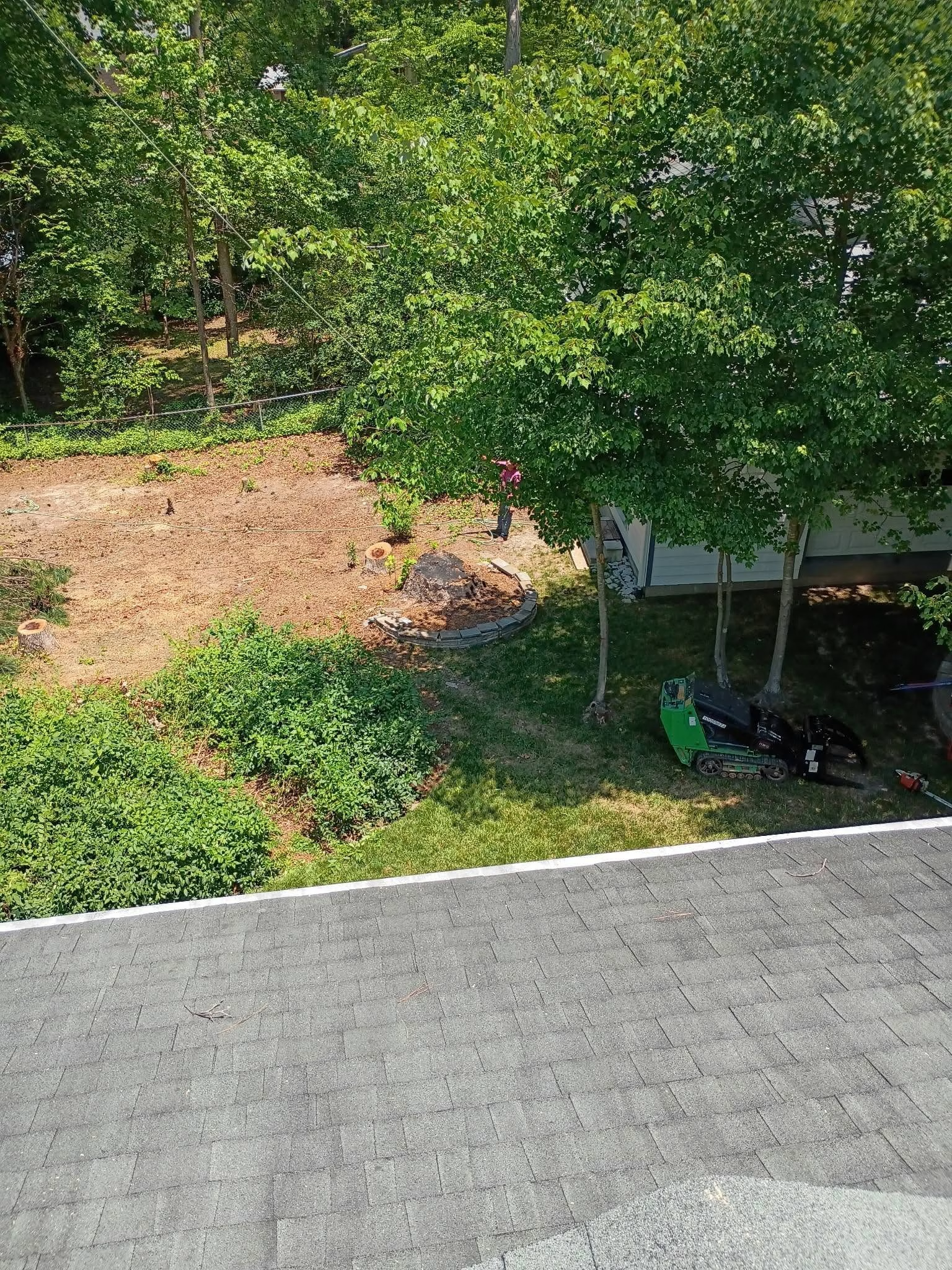
Stump grinding produces wood chips and sawdust that remain in or around the grinding area. The amount depends on the size of the stump and how much material is removed.
If you plan to restore the area with grass or landscaping, the remaining wood debris should be properly managed. Iowa State University Extension notes that wood chips and sawdust mixed into soil can affect moisture and nutrient availability and may contribute to uneven settling.
The area may need additional soil to bring it back to the desired grade after grinding and cleanup.
Can a Stump Be Ground Deeper?
In some situations, additional grinding may be appropriate. However, going substantially deeper is not always necessary or practical.
If the property owner plans to build, install a hardscape, or complete another project that requires significant excavation, simply grinding the stump deeper may not solve the entire problem. Remaining roots and buried wood can still occupy space below the surface.
For major landscaping or construction plans, it is better to discuss the intended use of the area with a professional before choosing between stump grinding and more extensive stump removal.
Does Stump Grinding Remove the Roots?
No. Stump grinding primarily removes the stump and larger portions of the roots near the surface. It does not normally remove the entire root system.
This distinction is important if you plan to plant another tree in exactly the same location. Iowa State University Extension recommends choosing a new planting location when possible because remaining roots and wood debris can make establishment of a new tree more difficult.
If you must use the same location for a new planting or another project, more extensive site preparation may be necessary.
Should You Grind a Stump Below the Grass Line?
Yes. Grinding below the surrounding grade generally makes the area easier to restore.
Once the visible stump has been reduced below ground level, the area can be prepared for soil, grass, mulch, or other landscaping depending on the property owner’s plans.
The final depth should be determined based on the specific stump and the intended use of the area rather than simply choosing the deepest possible setting.
Can You Grind a Large Stump?
Large stumps can often be professionally ground, but their size and location can affect the process.
Large stumps may require more grinding time and produce considerably more wood material. Limited access can also affect how equipment reaches the stump.
B&G Tree Services & Pressure Washing provides stump grinding for residential and commercial properties and evaluates stump size and access as part of the process.
Why Professional Stump Grinding Is Recommended
Stump grinding requires specialized equipment and proper control of the grinding process. Attempting to remove or grind a large stump without appropriate equipment can result in property damage or personal injury.
Professional service can also help account for surrounding landscaping, structures, access limitations, and the desired finished grade.
For homeowners in Thomasville and nearby communities, B&G Tree Services & Pressure Washing provides stump grinding along with tree removal, tree trimming, and storm cleanup services.
How Deep Should Your Stump Be Ground?
For a typical residential project, 8 to 12 inches below ground level is a common professional grinding depth. However, the exact depth should be based on the stump and what you plan to do with the space afterward.
If the goal is simply to eliminate an unwanted stump and make the yard easier to maintain, grinding below grade is often enough. If you are planning construction, extensive landscaping, or replanting in the same location, you may need more extensive stump and root removal.
Professional Stump Grinding in Thomasville, NC
If you have an unwanted stump on your property, B&G Tree Services & Pressure Washing can evaluate the stump and determine an appropriate grinding approach.
The company provides stump grinding and other tree services for homeowners and businesses throughout Thomasville, High Point, Greensboro, Winston-Salem, Lexington, Asheboro, Salisbury, and surrounding North Carolina communities.
Contact B&G Tree Services & Pressure Washing to discuss your stump and request a free estimate.
Frequently Asked Questions
How deep do professional stump grinders usually grind?
Professional stump grinding commonly goes approximately 8 to 12 inches below ground level, although the actual depth can vary by project.
Can a stump be ground below 12 inches?
In some circumstances, additional depth may be possible, but the appropriate depth depends on the stump, equipment, surrounding conditions, and the property’s future use.
Does stump grinding remove the entire root system?
No. Stump grinding removes the stump and portions of the larger roots but does not normally remove the entire underground root system.
Can grass be planted after stump grinding?
Yes. The area can be restored for grass after wood debris and sawdust are properly managed and the area is prepared with suitable soil.
Should I grind or completely remove the stump?
Stump grinding is often appropriate when you want to eliminate the visible stump and reclaim the area. Complete removal may be more appropriate when the entire stump and root system need to be cleared for a particular project.
Final Answer
A stump is commonly ground about 8–12 inches below ground level. The exact depth depends on the stump and what you plan to do with the area. For normal lawn and landscaping purposes, grinding below grade is usually sufficient. For construction or replanting projects, more extensive removal may be necessary.